
 By
By 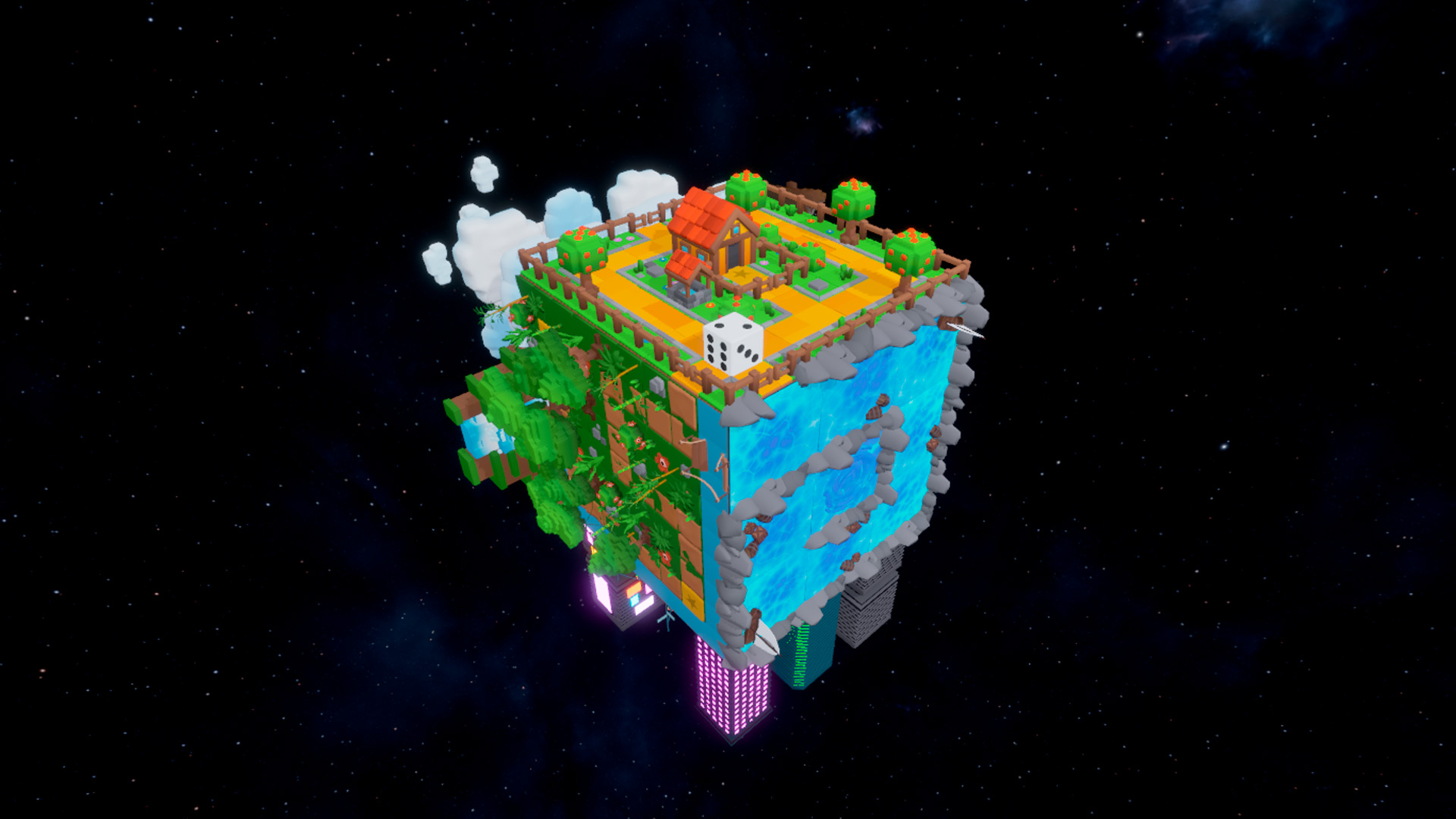
Dadum The Dice emerges as a curious and quietly daring experiment in a genre that rarely strays far from established formulas. The game is the work of Spanish indie developer Pablo Picazo, a musician turned programmer and former cybersecurity professional whose background shapes much of the project’s tone and ambition. Picazo, previously known for the contemplative Deer Journey, draws on his varied experience to craft an atmosphere that feels both meticulous and expressive.
Inside the vast and enigmatic structure known as the Great Die, every movement carries intent. A simple shift or rotation becomes a decisive action, and the number that ends up facing upward determines the player’s options from one grid square to the next. The result is a puzzle experience that feels both methodical and strangely alive, constantly inviting players to reconsider how they navigate its intricate spaces.
Rather than relying on spectacle or speed, the game invites players to engage with its thoughtful, deliberate rhythm. The core emphasis on die based movement turns even the simplest step into a meaningful decision, encouraging players to consider orientation, distance, and opportunity in equal measure. This creates a strategic yet accessible style of play that rewards planning and experimentation without punishing mistakes.
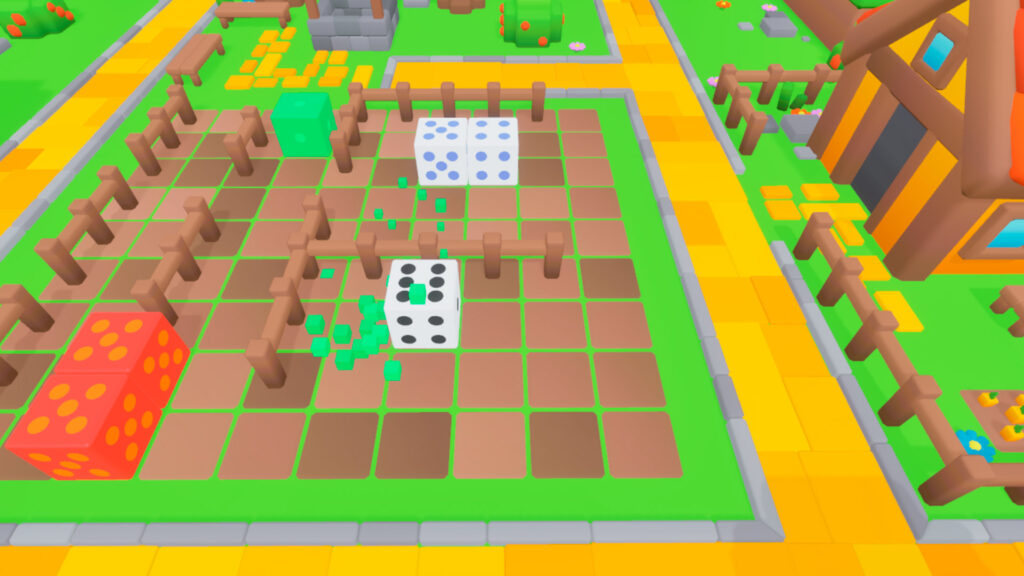
As the journey unfolds, players navigate a series of handcrafted worlds filled with surprises and mechanical shifts. Instead of repeating the same patterns, Dadum The Dice steadily evolves, introducing specialised tiles, enemy dice, themed regions, and memorable boss encounters. Each chapter brings a new idea or twist that reshapes the way players approach the grid, maintaining a consistent sense of discovery and momentum.

One of the defining aspects of the experience shown is its balanced approach to challenge. The game appears to avoid harsh trial and error design, opting instead for puzzles that encourage foresight and creative thinking. It positions itself comfortably between casual and mid core strategy, offering clever and engaging scenarios that should not feel overwhelming. This is complemented by the game’s polished isometric presentation, inspired by modern board game aesthetics, which gives each level a tactile, diorama like charm. With no randomness affecting gameplay, the die becomes a character rather than a chance mechanic, grounding the experience firmly in logic and skill.
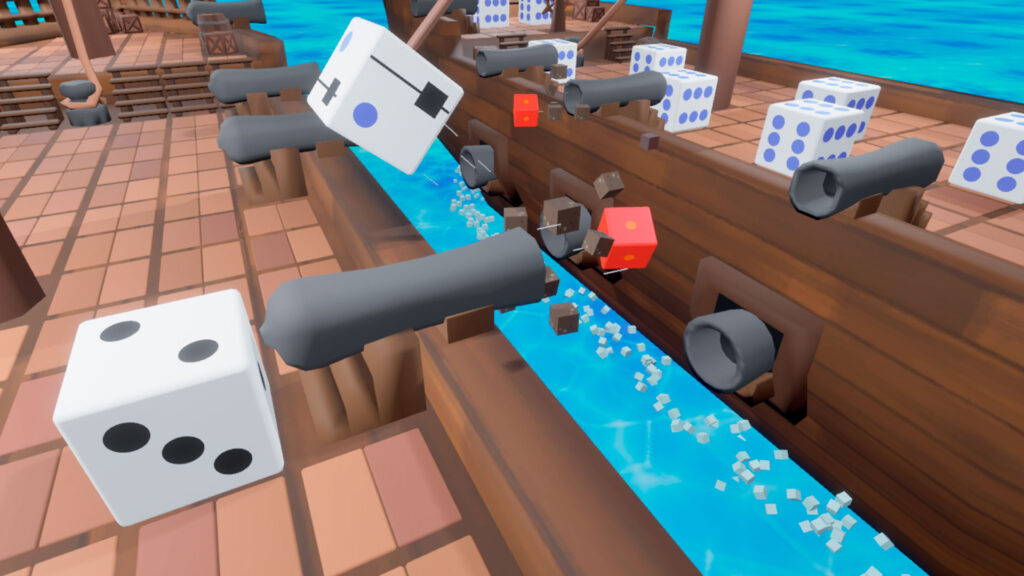
At its core, Dadum The Dice delivers a tactical 3D puzzle adventure defined by intelligent movement, careful rotation, and steady reinvention. Short, focused levels emphasise progression and curiosity, each offering a fresh twist or unexpected interaction. The variety of mechanics, the handcrafted design, and the elegant visual style shows that it can work together in order to create a distinctive, satisfying, and consistently surprising puzzle experience.
Suited to players who appreciate discovery, thoughtful design, and modern isometric worlds, Dadum The Dice looks to offer an adventure guided by curiosity and strategy. In this carefully crafted journey, every turn truly matters.
Tactical 3D puzzle adventure.
Strategic movement and rotation as you outsmart enemies across handcrafted worlds.
Constantly refreshed gameplay with new mechanics, enemies, bosses, and themed areas.
Short, engaging levels built around progression, discovery, and surprise.
Clever but accessible challenge, strategic without being punishing.
Polished isometric 3D style inspired by modern board-game aesthetics.
No randomness: the die is the character, not a luck-based mechanic.
Puzzle fans seeking dynamic, discovery-driven gameplay.
Players want engaging but approachable challenges.
Fans of modern, isometric, board-game-inspired visuals.
Dadum The Dice can be Wishlisted on Steam